A new concrete slab may appear ready for flooring long before it has reached the right condition for a resinous system. Fresh concrete contains moisture, may carry curing residues, and can continue changing as it gains strength. If a coating is installed too early, problems such as poor adhesion, bubbling, or premature separation can develop later.
For commercial facilities, slab readiness should be evaluated carefully instead of judged by appearance alone. Moisture levels, surface condition, concrete strength, preparation, and project timing all influence whether a flooring system can perform as intended.
Concrete Needs Proper Curing
Concrete does not finish curing as soon as the surface becomes hard enough to walk on. Moisture movement and hydration continue after placement, and the slab gradually develops strength.
Construction schedules sometimes create pressure to install flooring quickly so equipment, racks, or appliances can be moved into place. However, installing a coating before the slab is suitable may create larger delays if the floor later requires repairs.
The correct timing depends on site conditions, slab construction, and the flooring system being used.
Moisture Must Be Evaluated
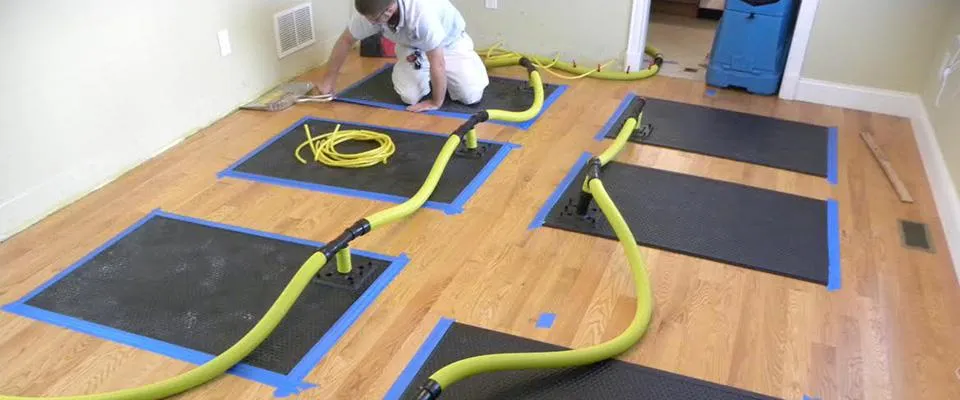
A concrete surface can look dry while still containing significant moisture deeper within the slab. That moisture may continue moving upward after a flooring system is installed.
Excessive vapor can interfere with adhesion and may contribute to blistering or separation. Moisture testing helps determine whether the slab is ready or whether additional measures are needed before installation.
Testing is especially important in ground-level slabs and facilities with a history of moisture-related flooring issues.
Kitchen Projects Need Coordination
New food-service facilities often follow tight construction schedules. Flooring may need to be completed before refrigerators, cooking equipment, preparation stations, and dishwashing systems are installed.
Before applying commercial kitchen epoxy flooring, the slab should be checked for moisture, contamination, surface weakness, and other conditions that may affect bonding.
Completing flooring before permanent equipment arrives can provide better installation access, but the sequence only works when the concrete is actually ready. Flooring, plumbing, refrigeration, and equipment teams should coordinate their schedules early.
Warehouses Present Larger Challenges
Warehouse slabs can cover very large areas, and conditions may vary from one section to another. Parts of the concrete may have been placed on different days or exposed to different temperatures and ventilation levels.
When warehouse epoxy flooring is planned, testing several areas can provide a better understanding of overall slab conditions. Assuming that one reading represents an entire building may overlook localized moisture or surface problems.
Large installations may also be divided into sections to make preparation and coating work easier to manage.
Remove Surface Contaminants
New concrete is not always clean concrete. Curing compounds, sealers, construction dust, paint, adhesives, oils, and temporary markings can remain on the surface after other trades have completed their work.
These materials may prevent a resinous system from bonding properly. Mechanical preparation, such as grinding, can remove weak or contaminated material and create a suitable surface profile.
This preparation step is critical because the coating depends on direct contact with sound concrete.
Cracks and Joints Need Review
Even recently placed slabs may contain shrinkage cracks, construction joints, or control joints. Some of these features are expected and help accommodate movement within the concrete.
They should be evaluated before the flooring system is installed. Simply filling every joint with rigid material can create problems if movement continues.
Repair methods should reflect the type of crack or joint and the conditions expected once the facility becomes operational.
Plan the Installation Sequence
Flooring should be included in the overall construction schedule instead of treated as a final isolated task. Installing too early can expose the finished surface to construction lifts, dropped tools, or heavy equipment from other trades.
Waiting too long can create the opposite problem. Racks, appliances, machinery, or fixed installations may restrict access and make surface preparation more difficult.
A coordinated schedule allows enough time for slab evaluation while still giving flooring crews practical access to the work area.
Conclusion
The long-term performance of a resinous flooring system depends heavily on the concrete beneath it. A slab should not be considered ready simply because it appears dry or supports foot traffic.
Moisture, surface contaminants, concrete strength, cracks, joints, and construction timing all need to be reviewed before installation begins. Proper testing and mechanical preparation can help identify issues before they become expensive failures. By treating slab readiness as a critical part of the flooring process, commercial facilities can create a stronger foundation for dependable performance and reduce the risk of premature coating problems.