
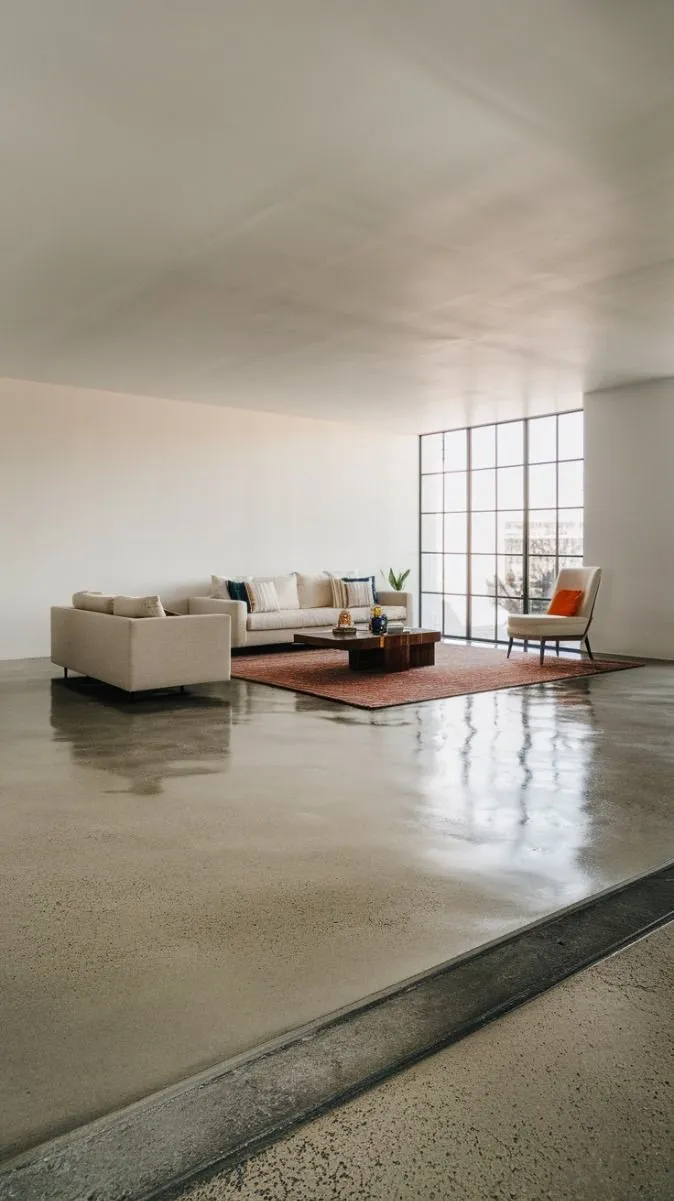
Renovating a property often begins with removing old materials and replacing them with something new. However, existing concrete floors sometimes offer opportunities that are overlooked during the planning stage. Beneath worn carpet, outdated tiles, or deteriorating finishes, there may be a slab worth restoring. Professional concrete polishing can refine suitable surfaces while retaining their natural character. For homeowners and commercial property managers in Utah, exploring existing flooring before purchasing replacement materials may reveal practical design possibilities. The key is understanding the slab’s condition and choosing a treatment that matches the property’s needs.
Look Beneath the Existing Flooring
Older buildings often contain concrete hidden beneath other flooring materials. Removing these coverings may reveal variations in color, previous repairs, or exposed aggregate that can become part of a finished interior.
Not every slab will produce the same result. Some contain extensive adhesive residue, uneven sections, or damage requiring additional treatment. An initial inspection helps establish whether restoration is realistic and what preparation might be necessary.
Appreciate the Character of Natural Concrete
Concrete differs from manufactured flooring because its appearance reflects the materials and techniques used during construction. Aggregate distribution, small variations in color, and previous finishing methods can influence the completed surface.
These characteristics appeal to property owners seeking an industrial or minimalist appearance. Rather than demanding complete uniformity, designers can work with the existing material to create an interior that feels connected to the building itself.
Understand What Polishing Involves
Mechanical polishing generally begins with grinding equipment fitted with diamond abrasives. Contractors progressively refine the concrete through several stages, removing surface imperfections and creating the desired level of smoothness.
A densifier is commonly applied during the process to improve surface hardness. Additional polishing passes establish the selected finish, while stain guards may provide further protection. The final appearance depends on the slab and the amount of aggregate exposure requested.
Consider Color Without Hiding Texture
Natural gray concrete is not the only design possibility. Property owners interested in warmer tones or distinctive color variations can explore concrete staining as an alternative decorative treatment.
Certain stains react with components in the concrete, producing variations that cannot be replicated exactly. Other products introduce color through different application methods. Because results depend on the surface, testing a small area can help establish realistic expectations before treating an entire floor.
Choose Finishes for Everyday Activities
A home office, retail space, and residential basement may each require different flooring characteristics. Reflectivity, cleaning frequency, foot traffic, and moisture conditions should influence the selected treatment.
Polished surfaces can suit many indoor environments, but they are not appropriate for every situation. Areas regularly exposed to water or demanding chemical conditions may require additional protective measures or an alternative system. Practical suitability should remain more important than appearance alone.
Evaluate Maintenance Over Time
Restored concrete can provide a straightforward cleaning surface when maintained correctly. Regular dust removal helps prevent abrasive particles from accumulating, while appropriate damp cleaning addresses everyday dirt.
Different treatments require different care. Polished concrete may need periodic attention to retain its appearance, while stained and sealed floors depend partly on the condition of their protective sealer. Property owners should request written maintenance guidance for their particular finish.
Think About Renovation Costs Carefully
Reusing an existing concrete slab may reduce the need for replacement flooring materials, but restoration is not automatically inexpensive. Removing adhesives, repairing damage, correcting unevenness, and achieving a specific finish all influence the overall expense.
Before deciding, compare the practical requirements of the available options:
-
Condition and thickness of the existing slab.
-
Amount of preparation and repair work required.
-
Desired appearance and level of reflectivity.
-
Expected traffic and cleaning routines.
-
Installation schedules and future maintenance.
A detailed assessment helps establish which option offers appropriate long-term value.
Plan Around Utah’s Building Conditions
Utah properties experience seasonal temperature changes, and garages or basements may have different moisture conditions from finished living areas. Existing concrete should be evaluated before a decorative treatment is selected.
Moisture movement, previous coatings, and substrate damage can affect certain finishing systems. Contractors should explain any limitations identified during the inspection, particularly when renovating older buildings with unknown flooring histories.
Conclusion
Existing concrete floors deserve consideration before a renovation automatically moves toward replacement materials. Grinding, polishing, staining, and appropriate protective treatments can create attractive results while retaining the character of the original slab. The best choice depends on surface condition, intended use, maintenance expectations, and available budget. Property owners should compare these factors carefully instead of selecting a finish based on photographs alone. For those researching professional concrete restoration and decorative finishing in Utah, hardrockconcretecoatings.com offers information about available services. A well-planned renovation can turn an overlooked surface into a functional design feature while making thoughtful use of the materials already present.
