Let’s break down the essentials of successful Forex trading in a straightforward, informal manner. No fancy jargon or complex theories here – just practical tips to help you navigate the Forex exchange platform and thrive in Forex exchange trading.
Understanding the Basics Before we dive into the nitty-gritty of Forex trading, it’s crucial to grasp the basics. The Forex market is where currencies are traded, and it’s the largest financial market in the world. It operates 24/7, and it’s decentralized, meaning there’s no central exchange. This global market allows traders to buy and sell currencies in the hope of making a profit from fluctuations in exchange rates.
Choosing the Right Forex Exchange Platform Selecting the right Forex exchange platform is your first step towards success. A good platform should offer a user-friendly interface, reliable customer support, and a wide range of trading tools. It should also provide access to real-time market data and offer competitive spreads. Look for platforms that are regulated and have a strong reputation in the industry. This will ensure that your trades are executed fairly and that your funds are secure.
Developing a Solid Trading Strategy A solid trading strategy is the backbone of successful Forex exchange trading. This strategy should be based on your risk tolerance, trading goals, and market analysis. It’s essential to have a plan that you can stick to, even during periods of market volatility. Your strategy should include entry and exit points, risk management rules, and a clear understanding of when to cut losses and when to let profits run.
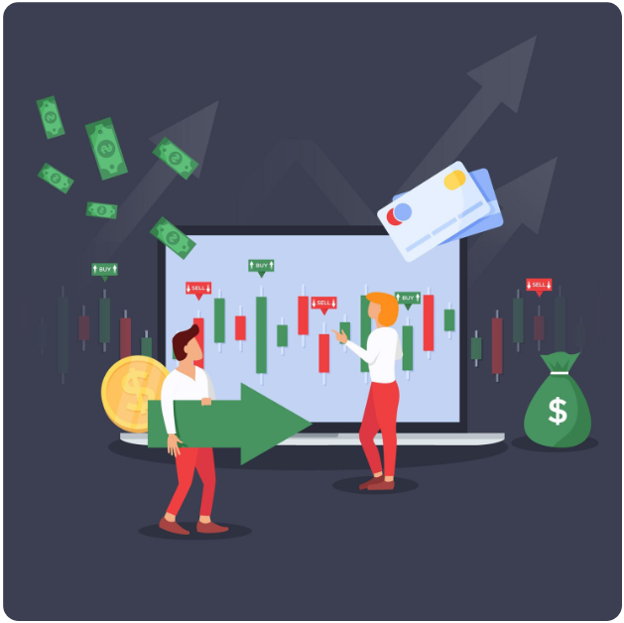
Mastering Technical Analysis Technical analysis is a crucial skill for any Forex trader. It involves studying historical price patterns and using indicators to predict future price movements. By mastering technical analysis, you can identify trends, support and resistance levels, and potential entry and exit points for your trades. There are many technical indicators available, such as moving averages, RSI, and MACD, but it’s important to find the ones that work best for your trading style.
Embracing Risk Management Risk management is often the difference between success and failure in Forex trading (In Taiwan, it is called “外匯 買賣“). It’s not just about setting stop-loss orders; it’s about understanding how much you can afford to lose on each trade and adjusting your position size accordingly. A common rule of thumb is to risk no more than 1-2% of your trading capital on any single trade. This approach helps to protect your account from severe drawdowns and allows you to stay in the game for the long term.
Staying Informed and Adaptable The Forex market is constantly changing, and staying informed is key to adapting to these changes. Keep up with economic news, central bank announcements, and geopolitical events, as these can all impact currency values. Being adaptable means being able to adjust your trading strategy in response to new information and market conditions. This might involve changing your trading style, shifting your focus to different currency pairs, or even taking a break from trading if conditions are unfavorable.
Managing Emotions and Discipline Emotions can be a trader’s worst enemy. Fear and greed can lead to impulsive decisions and poor risk management. To succeed in Forex exchange trading, you need to maintain discipline and stick to your trading plan, even when the market is moving against you. This might mean taking a step back and reassessing your strategy when emotions run high, or setting rules for yourself to prevent overtrading or chasing losses.
Continuous Learning and Improvement The world of Forex exchange trading is always evolving, and so should you. Continuous learning is essential for staying ahead of the curve. This might involve reading books, attending webinars, participating in trading communities, or even seeking mentorship from experienced traders. The more you learn, the better equipped you’ll be to make informed decisions and improve your trading skills.
Building a Robust Trading Routine A consistent trading routine can help you stay focused and disciplined. This might involve setting specific trading hours, conducting daily market analysis, and reviewing your trades at the end of each week. By establishing a routine, you can create a structured approach to trading that minimizes distractions and keeps you on track towards your goals.
Understanding Leverage and Its Impact Leverage can amplify both your profits and your losses in Forex trading. While it can be a powerful tool for increasing potential returns, it also comes with increased risk. Understanding how leverage works and managing it effectively is crucial. This means knowing when to use it and when to scale back, as well as being aware of the potential drawdowns it can cause.
Staying Ahead of the Curve with Technology Modern Forex exchange platforms (In Taiwan, it is called “外匯 平台“) offer a range of technological tools that can give you an edge in trading. From advanced charting packages to algorithmic trading systems, these tools can help you analyze the market more effectively and execute trades more efficiently. Staying ahead of the curve with technology means embracing new tools and strategies as they become available.
Networking with Other Traders Networking with other Forex traders can provide valuable insights and learning opportunities. By sharing experiences and strategies, you can gain new perspectives on the market and improve your own trading approach. Whether it’s through online forums, social media, or local meetups, connecting with others in the Forex community can be a valuable part of your trading journey.
Final Thoughts Forex exchange trading is a dynamic and challenging field, but with the right approach, it can also be incredibly rewarding. By focusing on the essentials – from choosing the right platform to managing risk and staying informed – you can set yourself up for success in this exciting market. Remember, the key is to be patient, disciplined, and always willing to learn and adapt. The Forex market is always changing, and so should your approach to it.