
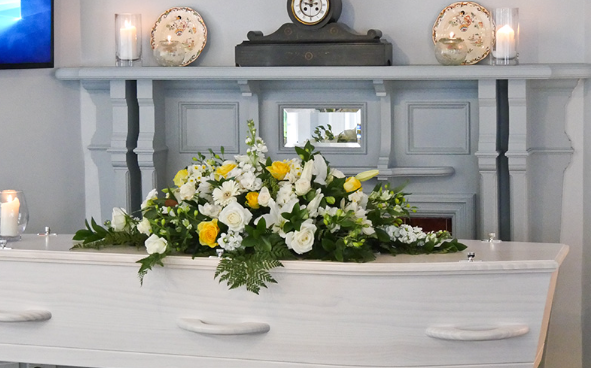
No one wakes up thinking they’ll be planning a funeral, and when it does, it often strikes unannounced. In Singapore, funerals are layered with meaning and administrative demands. Whether it’s your first time navigating a loss or you’re planning for peace of mind, knowing how a Singapore funeral works can make all the difference. The process is about making choices under pressure. This article offers expert-backed insights, from the initial steps to the final rituals, and everything in between.
What Every Funeral Director Wishes You Knew
Funeral directors in Singapore are the liaisons between grief and order, offering professional guidance while honouring cultural nuances. But what many families don’t realise is how early they should reach out for help. The most organised funerals start not after death but in anticipation of it.
One of the first things funeral directors encourage is clarity. Discussing wishes with your loved ones in advance can spare relatives from second-guessing at the worst possible time.
Families who skip this step often end up choosing under emotional stress, spending more than necessary, or struggling to fulfil spiritual expectations. Trusting a licensed director early ensures proper documentation and access to venue options that suit your family’s values and budget.
What Needs to Happen Before the Funeral Even Begins
Planning a funeral involves more than just showing up in black. In Singapore, the first 24 hours after a death can feel like a blur.
You’ll need to obtain the Certificate of Cause of Death (CCOD) from a doctor or hospital. This document is mandatory for registering the death at any police post or platform. Once the death is legally registered, a burial or cremation permit is issued.
Next comes the logistics of body transfer. A funeral director typically arranges for the deceased to be taken to a mortuary or embalming facility. This stage is often where families begin leaning on professionals for guidance, especially if embalming is required for a multi-day wake.
Venue booking is also time-sensitive. Some opt for HDB void decks with tentage, others for air-conditioned funeral parlours or religious halls, depending on comfort, crowd size, and beliefs.
While many overlook it, the funeral director coordinates ceremonial items, prayer materials, obituary writing, photo enlargement, and décor setup. Each contributes to a dignified send-off and reduces the weight on grieving families. Having this checklist in place ensures that nothing falls through the cracks during an emotionally volatile time.
What Happens Once the Casket Closes
Singapore funeral traditions include post-ceremony rituals that carry deep cultural and spiritual meaning. The funeral director plays a quiet but vital role in keeping the family informed of these customs and helping facilitate them respectfully.
Beyond the spiritual, there are administrative follow-ups. These include closing bank accounts, notifying insurance providers, and executing wills. Some funeral services extend their help into this space, offering basic estate assistance or connecting families with legal professionals.
Emotional closure, too, is a long road. Many directors share that families who engage in meaningful rituals report more at peace. This is why modern funeral professionals in Singapore now take a holistic approach, encouraging grief awareness and, where possible, counselling referrals.
From Planning to Legacy—A Guide for the Unprepared
It’s easy to feel overwhelmed by the practicalities of death, but with the right support and preparation, the journey can be manageable.
The first step is choosing the right funeral director. Look for one licensed by the National Environment Agency (NEA) and has experience with your family’s cultural needs. Reading reviews and speaking with past clients helps clarify expectations.
The next phase is logistics: securing the body, choosing a casket, selecting the venue, and customising ceremonial details. Whether you want a photo montage, a particular flower arrangement, or a meaningful soundtrack, speak up. Funeral directors are increasingly equipped to meet emotional and creative requests, especially in boutique setups.
Then comes the actual service, where the mood can range from solemn to celebratory. Ensure the tone fits the departed’s life and legacy.
After cremation or burial, you move into post-funeral planning. This includes optional rituals, estate matters, and memorial activities that can honour the memory in ongoing ways.
Why Being Prepared is the Greatest Act of Love
In a society that avoids death talk, preparing for a Singapore funeral might feel taboo. But in truth, it’s an act of profound care. From the paperwork to the prayers, the location to the legacy, every decision reflects love, respect, and intention. Funeral directors help anchor this journey, offering calm in chaos and clarity in mourning. So whether you’re making plans in advance or navigating a fresh loss, remember this: a well-prepared funeral is empowering. It honours the person who’s gone while protecting the ones left behind.