
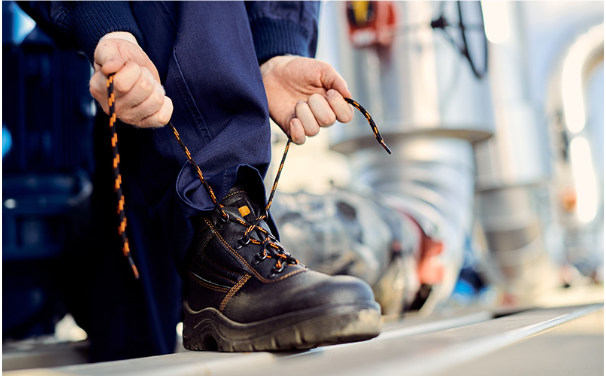
Sizing safety shoes isn’t as straightforward as regular footwear. While most retailers provide a size chart, the reality is that safety shoes come with added complexity—steel toes, composite plates, and specialised lining—that alter the fit significantly. Due to this, workers frequently purchase the incorrect size, leading to chronic pain or even harm.
Here’s what retailers won’t openly admit and what you need to know before committing to a pair of safety shoes in Singapore.
Standard Shoe Size ≠ Safety Shoe Size
The most common mistake is assuming your regular shoe size applies to safety shoes. Safety footwear typically includes additional components, such as toe caps and reinforced soles, which affect internal dimensions. These reinforcements reduce toe space and overall foot flexibility. As a result, many users report tightness or pressure in key areas, even when the length seems accurate. Retailers often avoid discussing this discrepancy since it complicates the sale.
Different Brands, Different Fits
Even if you know your size in one brand, don’t expect the same fit across others. Safety shoes are imported from various countries—each following its own sizing standards (EU, US, UK, CM). Conversions between these are inconsistent. A UK size 9 in Brand A may feel snug, while Brand B’s version may be loose. Unfortunately, retailers seldom allow side-by-side comparisons of different brands. They push specific models due to stock volume or supplier deals, not because they’re the best fit.
Toe Room Is Non-Negotiable
Steel or composite toe caps do not expand. If your toes are brushing the cap upon first wear, the shoes are too small—regardless of what the salesperson tells you. Many buyers are advised to “break them in,” which doesn’t apply to capped toe boxes. A poor fit here leads to blisters, black toenails, or worse, compression injuries. Always walk in the shoes and test toe clearance before purchasing, especially if you’re buying from physical stores claiming to specialise in safety shoes.
Sock Thickness Matters More Than You Think
Most people try on safety shoes with thin, casual socks. In actual use, thick industrial socks or double layers are worn for cushioning and sweat absorption. This practice significantly affects the internal fit. Some retailers don’t mention this, resulting in shoes that feel fine during the try-on but become tight during actual site work. Remember to bring your work socks when visiting safety shoe stores.
Widths Are Rarely Customisable
The region’s safety shoe market rarely caters to width options. Many retailers carry only regular-width models due to stocking limitations. However, workers with wide or narrow feet end up settling for poor-fitting shoes that cause arch strain or side abrasions. While some international brands do offer wide-fit ranges, they’re not always stocked or promoted. Retailers tend to recommend upsizing instead, which can compromise foot stability and lead to trip hazards.
Return Policies Are Often Vague
Once worn, most safety shoes are non-returnable—even if the sizing is clearly off. Some shops offer exchanges, but only under strict conditions. Retailers don’t always disclose these limitations upfront. Given the investment safety shoes require, and their role in workplace injury prevention, unclear return policies pose a significant risk for buyers. Instead of just wondering where to buy safety shoes in Singapore, remember to also ask detailed questions about return options to guarantee you cover all product bases before purchasing.
Conclusion
Safety shoes protect you only when they fit correctly. Don’t depend just on a retailer’s guarantee or the size label. Try multiple pairs, test with real socks, and walk around properly before deciding. Remember, when researching safety shoes in Singapore, prioritise fit over brand or style. Ill-fitting safety shoes don’t just waste money—they put your health at risk.
Visit Safetysam for safety footwear that prioritises both protection and comfort.