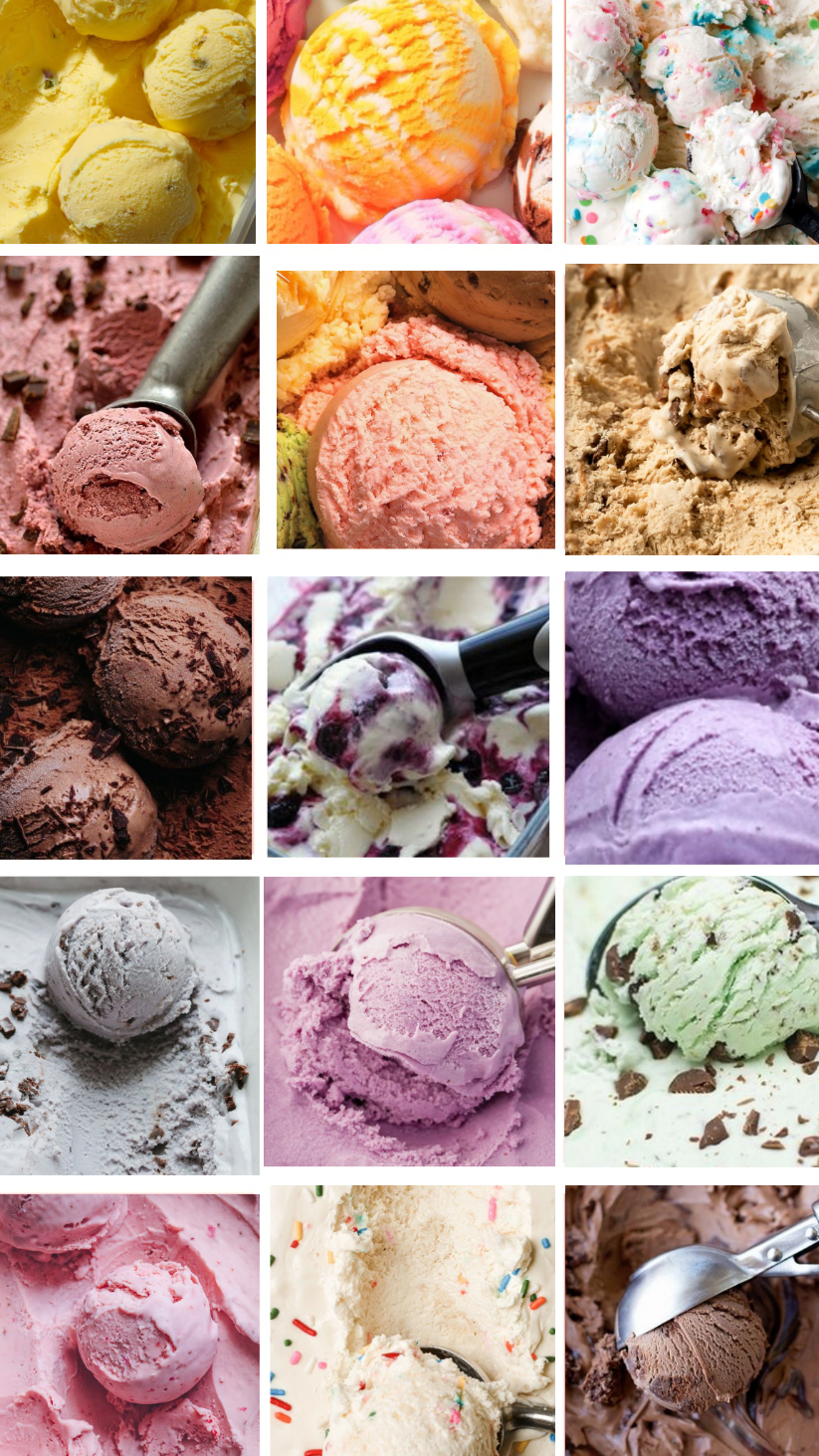
Ice cream appears simple from the outside, but its color system must work inside a complex frozen emulsion. Milk solids, fat, sweeteners, stabilizers, flavors, air and inclusions all influence the visible shade. The product is also processed through heating, homogenization, aging, freezing and frozen storage. A color that looks correct in the liquid mix may appear much lighter after air is incorporated or may shift once the product is fully frozen. Consistency begins with testing the complete manufacturing process.
Account for the Base Mix
A white vanilla-style base displays color differently from chocolate, caramel, fruit puree or plant-based mixes. Fat level, protein content and natural ingredient color can reduce brightness or change the tone. When choosing Ice Cream Colour, developers should create samples in the actual base rather than in water or simple syrup. A pigment concentration that produces a strong shade in a clear solution may look muted after it is dispersed through an opaque dairy system.
Measure the Effect of Overrun
Overrun refers to the air incorporated during freezing. As air increases, the product often appears lighter because the color is spread through a larger volume and reflected differently by the frozen structure. Laboratory samples made without representative overrun can lead to under-dosing in production. Pilot trials should use equipment that creates a similar air level to the commercial process. The finished shade should be evaluated after hardening, not only when the ice cream leaves the freezer.
Test Heat and Aging
Ice cream mix is commonly heated before cooling and aging. Natural pigments must tolerate the relevant temperature and holding time. Proteins and emulsifiers may also interact with the color during aging. The order of addition should be tested because adding color before heating can expose it to more stress, while adding it later may create mixing or sanitation challenges. The approved procedure should fit the plant’s normal operation rather than depend on a special step that is difficult to repeat.
Review Frozen Storage and Light
Color can continue to change during storage. Retail freezer lighting, temperature fluctuations, ice crystal growth and package transparency may affect the product’s appearance. Variegates and fruit pieces can bleed into the surrounding base, while coatings and inclusions may create contrast that changes how the main color is perceived. Shelf-life studies should use the final container and include the expected distribution temperature. Repeated freeze-thaw abuse testing can reveal weaknesses that ordinary stable storage may not show.
Standardize Dosing and Mixing
The food coloring for ice cream should have clear production instructions. Powdered colors may require a cool pre-dispersion to remove particles. The point of addition should be defined so each batch receives the same treatment. Visual standards should be viewed under consistent lighting because cool and warm light sources can make the same ice cream look different. Instrumental color readings can support the approval process when tight shade control is necessary. Production teams should also evaluate the color immediately after freezing and again after hardening, since the shade can appear different as ice crystals form and air becomes distributed through the product. Recording both stages helps prevent unnecessary dosage changes based on a sample that has not reached its final structure.
Conclusion
Natural color consistency in ice cream depends on the complete frozen system rather than the liquid mix alone. Base color, fat, protein, overrun, heat treatment, inclusions, hardening, packaging and freezer storage can all influence the final shade. Manufacturers should approve colors after realistic processing and retain samples for comparison throughout shelf life. Suitable dosing instructions and a clear visual standard will help production teams to achieve consistency in the intended appearance for different production batches. For all those ice cream developers looking for adequate color and sample support for specific applications, they can take a look at the technical solutions available at Foodrgb.com before they go into production for their new product.