
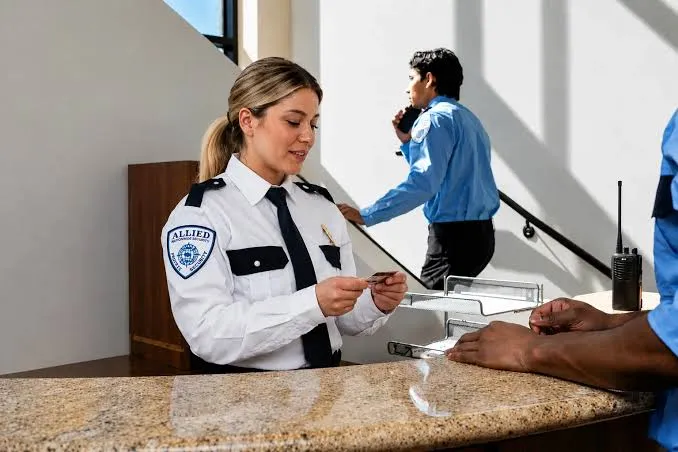
Properties in Mojave face a mix of security needs, from protecting business premises and equipment yards to monitoring construction areas and energy-related sites. A dependable security plan starts with understanding the location, daily activity, access points and risks that may affect people or assets. Property owners should look for trained personnel, clear reporting practices and coverage that fits their operating hours. Comparing providers carefully can help businesses choose a practical level of protection while keeping employees, visitors and valuable property safer throughout the day and night.
What Local Properties Need from Security
Mojave includes commercial locations, industrial operations, residential communities and sites connected with transportation and energy. Each setting can face different concerns, such as unauthorised entry, theft, vandalism or disturbances after business hours. Before hiring a provider, managers should review the property layout, hours of operation, visitor flow and areas that need regular checks. A clear site assessment helps define whether a fixed guard, scheduled patrol or a combination of both is appropriate. This preparation also gives the provider useful details for building a realistic security plan.
How to Compare Professional Guard Providers
When reviewing Security Guard Companies in Mojave CA, businesses should look beyond a low quoted rate. Ask whether officers hold the required California licences, receive relevant training and understand the duties expected at the site. It is also useful to discuss supervision, shift coverage, incident reporting and how the company handles an unexpected absence. Request written service details so responsibilities are clear before work begins. A provider that communicates openly and explains its procedures can make it easier for property managers to assess service quality and maintain consistent coverage.
Choose Coverage That Fits the Site
Security Companies in Mojave CA can change from one property to another, so a standard package may not be suitable for every location. A warehouse may need checks around loading areas, while a construction site may require attention to tools, materials and perimeter access. Residential communities may place greater importance on visitor awareness and visible patrols. Managers should explain their priorities and ask how proposed duties will address them. The final plan should state the hours, patrol frequency, reporting process and any special instructions officers must follow while on duty.
Why Patrols Can Support Site Safety
Mobile patrols can help monitor larger properties or locations where continuous stationary coverage is not required. Officers may travel through designated areas, inspect access points and note conditions that need attention. Foot patrols can be useful in places where closer observation is needed, while marked vehicles can provide a visible presence across wider grounds. Patrol schedules should reflect the property’s risks and operating pattern. Clear instructions and accurate activity reports help managers understand what was checked, when concerns were noticed and whether follow-up action is needed.
Review Licensing, Training and Communication
A professional security arrangement depends on more than an officer being present. Businesses should confirm the provider’s current licensing and insurance information, then ask how officers are screened, trained and supervised. Communication matters as well. Find out who receives incident reports, how urgent concerns are escalated and whom to contact when schedules or site conditions change. Written post instructions can reduce confusion by explaining access rules, patrol routes and emergency procedures. These checks help create accountability and give clients a clearer picture of the service they are purchasing.
Build a Practical Long-Term Security Plan
Good security planning should be reviewed as a property changes. New equipment, construction phases, altered business hours or changes in visitor activity may create different risks. Managers can schedule periodic discussions with their provider to review incident records, patrol observations and any gaps in coverage. A useful plan remains flexible without losing its core procedures. It should also set realistic expectations about what guards can do, when law enforcement or emergency services must be contacted, and how staff should report concerns. Regular reviews help keep protection relevant.
Conclusion
Choosing security support in Mojave requires a clear view of the property, the risks it faces and the level of coverage that makes sense. Compare providers on licensing, training, supervision, communication and the detail of their proposed duties rather than price alone. Patrols and on-site officers can serve different purposes, so the right mix depends on each location. Businesses seeking information about commercial protection and patrol options can visit valorguardsecurity.com to review the services offered by ValorGuard and discuss their site requirements directly. A thoughtful review can support safer daily operations.
