
Key Takeaways
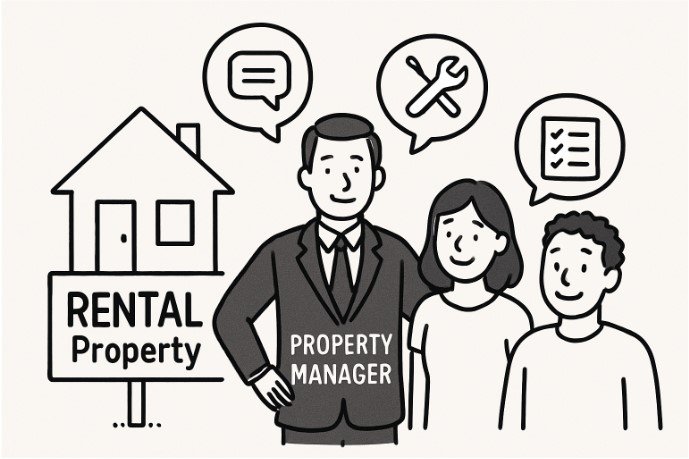
- Rental property management requires clear communication, proactive maintenance, and a thorough understanding of local regulations.
- Technology is transforming the way property managers connect with tenants and streamline their operations.
- Screening tenants, managing finances, and adhering to legal compliance are essential skills for success.
- Staying informed on market trends and leveraging reliable resources enhances outcomes for property owners and tenants.
- Collaboration with industry professionals and the use of trusted data sources can support more informed decisions.
Why Effective Property Management Matters
Effective rental property management is about much more than collecting rent payments—it’s a specialized discipline that supports both the property’s long-term value and tenant satisfaction. Owners often turn to experienced professionals for property marketing Glendale CA, to help their units stand out and stay occupied. Through strategic marketing, communication, and oversight, property managers foster transparency and relationships that reduce vacancies and maximize returns. Good management benefits investors and tenants, as a New York Times feature states, properties with strong management see increased tenant retention and smoother lease turnovers. These benefits lead to more consistent cash flow and fewer costly mistakes.
Essential Skills For Property Managers
Successful property managers juggle interpersonal skills and business acumen. Clear communication is key—handling tenant questions, updating clients, and resolving issues with empathy. Financial skills are vital for budgeting, tracking income, expenses, and repairs. Legal knowledge prevents penalties from regulatory or lease errors. Strong relationships with maintenance, attorneys, and industry experts help managers provide seamless, compliant service.
Effective Tenant Screening: The First Line Of Defense
Thorough tenant screening protects your property investment by reducing risks like late payments, property damage, or lease violations. Best practices include reviewing criminal and credit histories, rental references, and confirming employment. Due diligence not only helps select responsible tenants but also ensures compliance with fair housing laws, lowering legal risks. For current rental regulations and advice, consult the Federal Trade Commission’s guidance for renters and landlords. Developing a standardized application and screening process promotes fairness and consistency. Clear communication during the application process, including expectations and rules, helps ensure successful tenancies.
Maintenance Tips To Protect Your Investment
Proactive maintenance is a cornerstone of effective rental property management. Addressing minor issues before they escalate can save owners significant costs and help safeguard the property’s longevity. Season-based checklists—such as scheduling HVAC servicing, gutter cleanings, and plumbing inspections—help prevent emergencies and maintain the attractiveness of units to tenants.
Routine property walk-throughs should be thoroughly documented, and any necessary repairs or improvements should be made promptly. This not only enhances tenant safety but also ensures the property remains compliant with local housing codes.
Leveraging Technology For Streamlined Operations
Technology has significantly transformed property management, enabling managers to automate repetitive tasks and maintain accurate records. Modern software solutions allow tenants to pay rent and submit maintenance requests online—capabilities that appeal to today’s digitally savvy renters. Digitizing back-office functions, such as accounting and lease management, also streamlines tax preparation and facilitates regular financial reporting.
According to recent surveys, more than 60% of renters prefer digital payment and communication options. Implementing these systems helps improve tenant satisfaction and operational efficiency.
Legal Compliance: Staying On The Right Side Of The Law
Laws and regulations governing rental properties are subject to regular updates at both the local and federal levels. Property managers must proactively monitor these changes—covering everything from security deposit limits to new health and safety mandates. Updating lease agreements and maintaining transparent rental policies can safeguard both owners and tenants from potential disputes and legal penalties.
Building a habit of continual learning—through legal webinars, industry newsletters, or networking with real estate lawyers—ensures that managers remain ahead of regulatory trends rather than reacting to them.
How To Handle Difficult Tenant Situations
Even with diligent screening, property managers may face challenging scenarios such as missed rent payments or neighbor complaints. The best approach is always to remain calm, professional, and document every step of communication. Early intervention often resolves misunderstandings before they escalate. If eviction becomes unavoidable, it’s essential to follow legal protocol meticulously to avoid further complications or liability.
Maintaining detailed records of lease violations, notices sent, and communications with tenants can provide both legal protection and a clear timeline of events in the event of disputes.
Data-Driven Decision Making In Rental Markets
Smart property managers rely on more than instinct—they leverage reliable data to inform investment and operational decisions. Tracking occupancy rates, market rents, and regional trends can reveal opportunities for rent increases, renovations, or marketing adjustments. The U.S. Department of Housing and Urban Development offers abundant housing data publications for market analysis.
Staying plugged into these data sources enables managers to anticipate demand shifts, proactively address competitive pressures, and provide owners with substantiated recommendations.
Conclusion: The Value Of Smart Property Management
Strategic and well-organized rental property management delivers lasting benefits. Owners can expect stronger returns, tenants enjoy more secure and pleasant living conditions, and communities benefit from well-maintained neighborhoods. Whether through dedicated in-house expertise or by partnering with professionals skilled in property marketing investing in robust property management practices is a win-win for everyone involved. By staying informed, embracing technology, and leveraging trustworthy resources, property managers are equipped to handle any challenge the rental market presents.