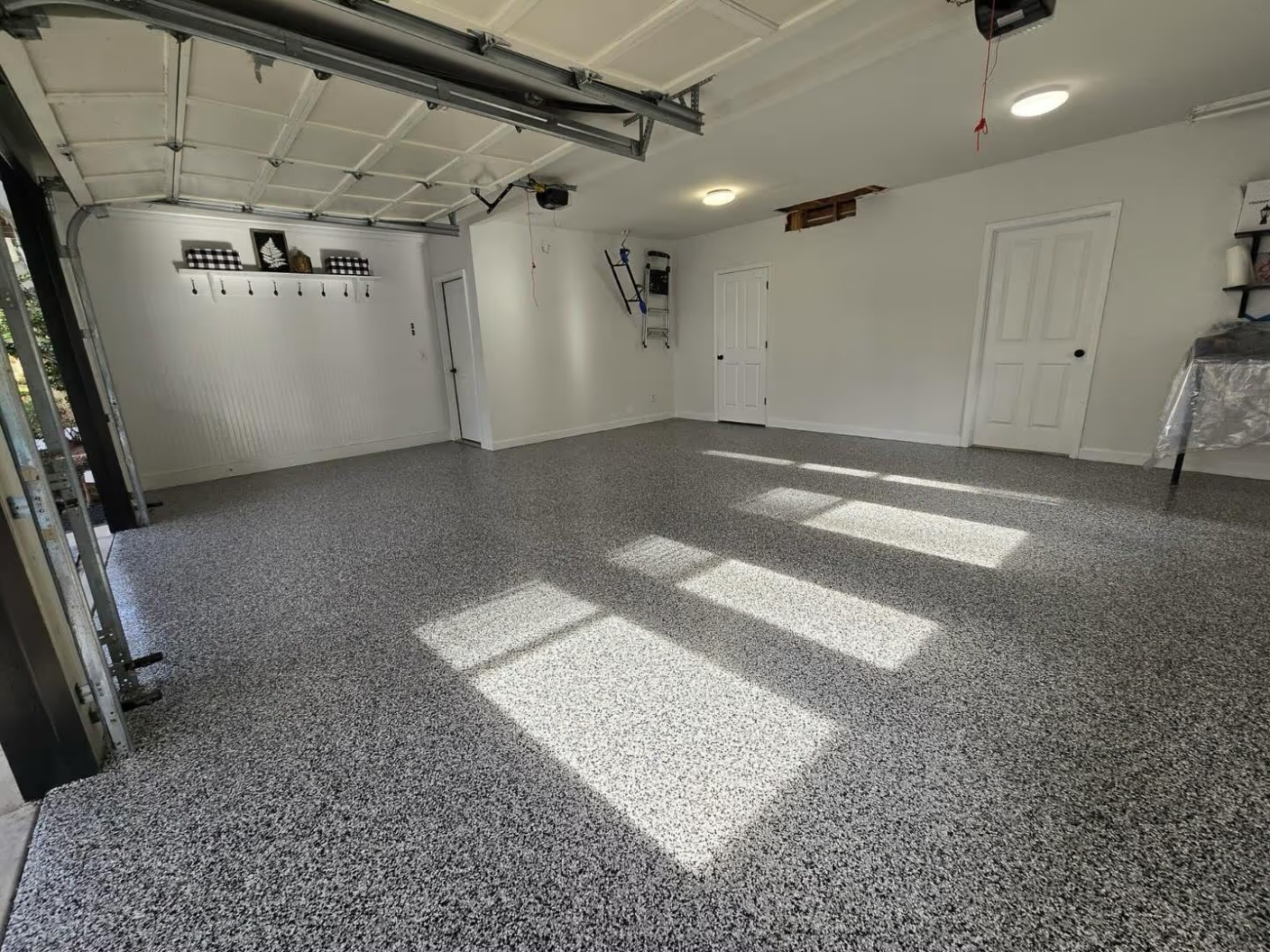
Summer in the Valley can push garage temperatures far beyond what most floors were designed to tolerate. Concrete heats, tires roast and sunlight finds every gap in the door. Choosing phoenix epoxy flooring built for these conditions makes a real difference. This article explains why heat matters and how to select a floor that stays attractive.
Heat Is Harder on Floors Than You Think
Concrete expands and contracts as temperatures swing between day and night. Those cycles stress surface layers, and any coating must be flexible enough to follow the slab without cracking. Cracks can telegraph through the finish if they are not treated first.
High temperatures also soften certain materials. Hot tires sit on the floor for hours, and weaker products can mark, lift or peel. Selecting heat-tolerant materials is essential in desert climates. Choosing materials rated for these conditions is a smart habit.
The Problem of Hot Tire Pickup
Hot tire pickup occurs when warm rubber pulls at a coating and lifts it from the slab. It appears as marks, blemishes or peeling patches in the parking area. Residents often notice it after the first hot summer.
Quality systems and proper preparation reduce this risk significantly. A professional garage floor coating that is properly bonded to a ground surface is far more resistant to this common desert failure.
Sunlight and Color Stability
Garages with windows or open doors expose floors to ultraviolet light. Some coatings yellow or fade over time, which makes bright floors look tired.
UV-stable topcoats help the finish stay clear and vibrant. If your garage gets sun, ask the installer which topcoat they recommend and how it has performed in real local projects. Ask installers to show you samples that have been exposed to sunlight.
Moisture and Slab Condition
Arizona may be dry, yet slabs still contain moisture and salts that can interfere with bonding. Testing is a smart step before any resin touches the surface.
Cracks, oil stains and previous sealers also need attention. Removing them during preparation leads to a better bond and a cleaner finished appearance. Thorough preparation also helps the finish look smooth and consistent.
Cooler Underfoot, Better Looking
Lighter colors reflect more heat and can feel a little more comfortable in a hot garage. Flake blends hide dust, which is common in desert homes, and keep the floor looking clean longer.
Metallic and solid color finishes are available too. Your choice should balance style, upkeep and the way you use the space.
Scheduling Around the Weather
Application timing matters. Heat accelerates curing, which shortens working time and demands experienced crews. Early morning starts are common during warm months.
A good contractor monitors temperature and slab conditions throughout the day. Rushing a job in poor conditions can cause bubbles or uneven finishes.
Protecting the Investment
Use mats under tires if you want extra protection, and clean spills promptly. Avoid harsh chemicals and sharp dragging tools. Gentle habits keep the finish looking new.
Inspect periodically for chips or wear near doors. Small touch-ups prevent bigger repairs and extend the life of the floor for many years of service. A little care goes a long way in the desert.
Common Questions Phoenix Homeowners Ask
Will it get slippery when wet? Texture and aggregate can be added to improve traction. Will it survive a summer day? Systems designed for heat and UV handle it far better than ordinary paint. Can it go on an older slab? Usually yes, after proper repair and preparation.
How long before I can park? Cure times vary by product, but many systems are ready for light use within a day or two. Always follow your installer’s instructions for the exact timeline.
Budgeting for a Quality Result
Price depends on size, slab condition, system choice and prep needs. The cheapest quote often leaves out grinding or repairs. Compare scopes carefully rather than headline numbers.
Think about value over years, not just the initial cost. A well-bonded coating that lasts through many summers is cheaper than redoing a failed one. Ask what the warranty covers and how heat is addressed.
Conclusion
Heat, sun and dust are part of life in Arizona, but they do not have to ruin your garage floor. Choose materials built for the climate and insist on thorough preparation. Heat-ready materials make all the difference. To discuss your project and options, visit dialedinepoxy.com and ask about a durable solution.